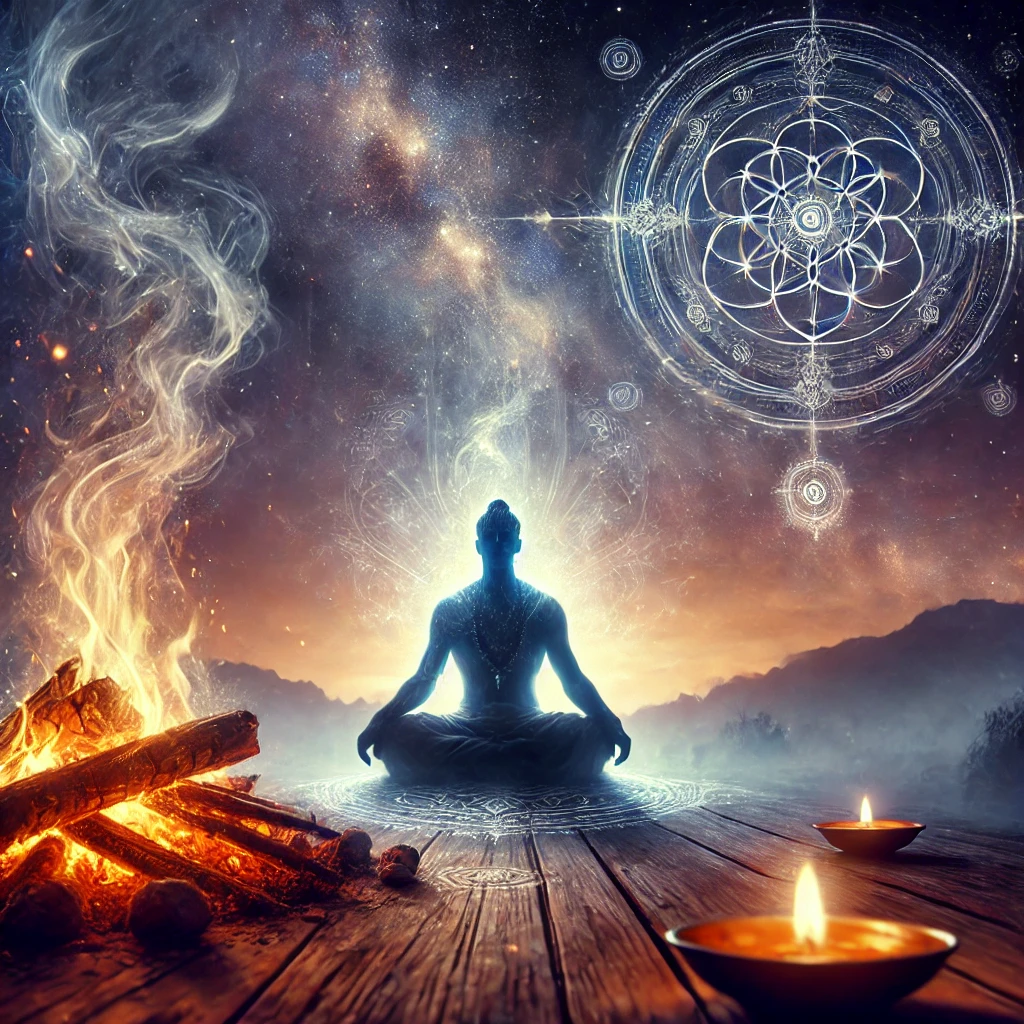
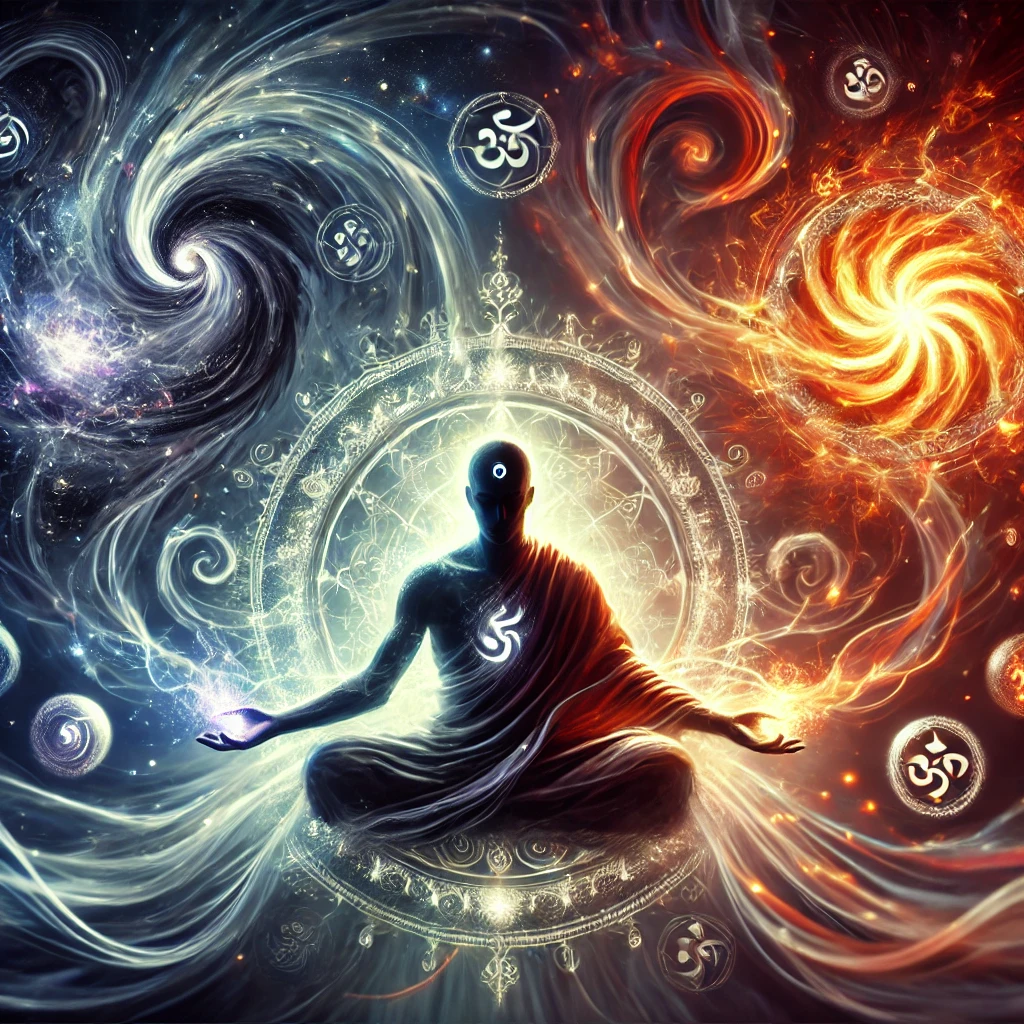
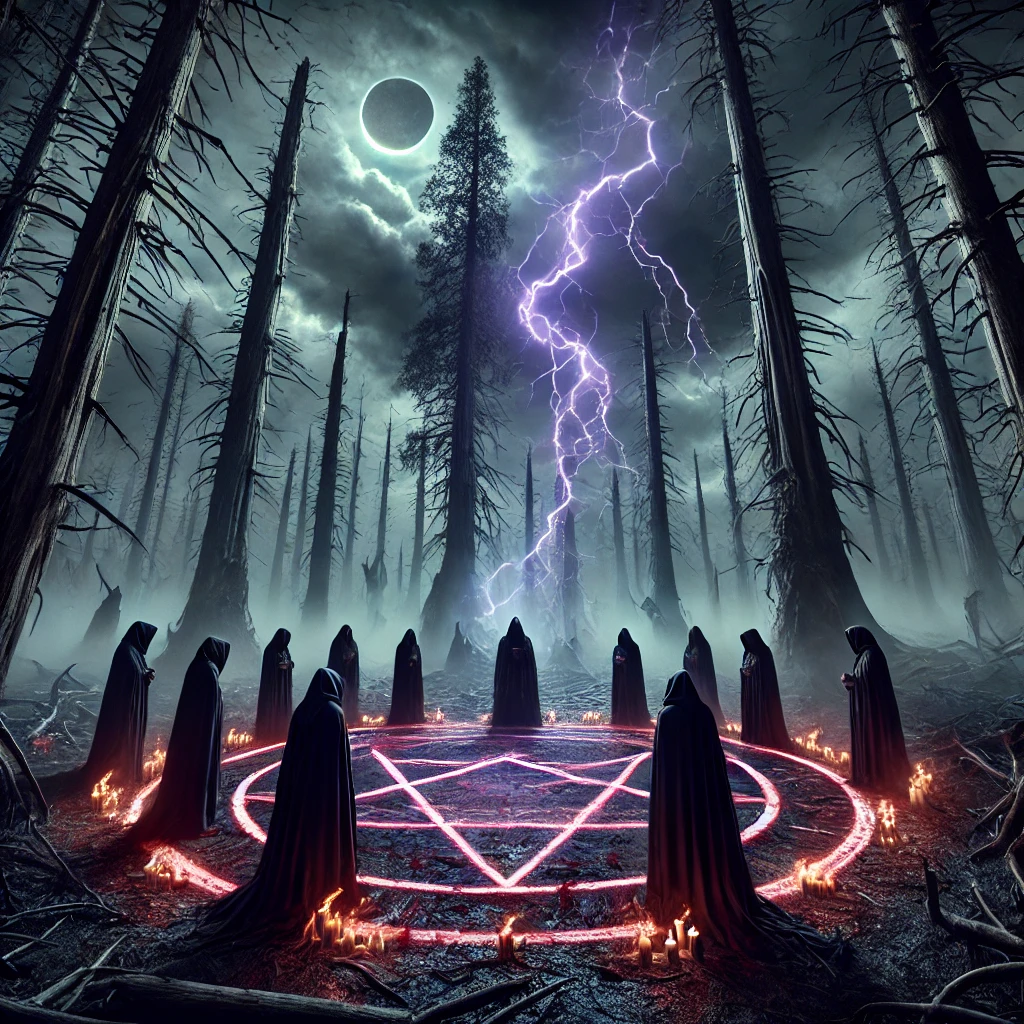
The ancient practices of Tantra, particularly the ritual of Yagya, are shrouded in mystery and often misunderstood in contemporary society. Rooted in Hinduism, these practices are powerful tools aimed at achieving deep spiritual and physical transformation. Among these, the concept of using Tantra Yajna for “destruction of the enemy” serves as a focal point for both curiosity and controversy. This article discusses in depth the principles of this practice, its ethical considerations, and its potential implications for both practitioners and observers.

Tantra is an ancient spiritual tradition that originated in India around the 6th century, encompassing both philosophy and practical techniques aimed at harnessing universal energy for profound spiritual awakening and self-transcendence. It is a holistic and transformative path to liberation, emphasizing the deep integration of mind, body, and spirit to achieve higher consciousness. Unlike conventional religious practices of its time, Tantra embraced a wide range of sacred rituals, meditations, mantra chanting, visualization techniques, and esoteric teachings, often challenging societal and religious norms. It promotes a life-affirming approach, encouraging practitioners to explore expanded states of consciousness, the subtle energy system, and self-realization as a means of achieving ultimate spiritual freedom, inner harmony, and divine connection.

Within the framework of Tantra, the idea of "enemy destruction" can be understood on several levels. On a personal level, it refers to overcoming one's inner adversities, such as negative thoughts, ego, jealousy, and hatred. Spiritual traditions often teach that our most fierce enemies are within ourselves, and that by confronting these traits, we pave the way for spiritual growth. On another level, specifically in the context ofYagya, "enemy destruction" can refer to the practitioners' ability to focus their spiritual energy toward removing obstacles or adversities in their physical lives, whether they are personal enemies or general challenges that impede progress.
Performing a Tantra Yagya for the purpose of "Shatru Nasha" involves several careful steps. One should begin by choosing the right time, aligning the ritual with auspicious planetary influences. Next, a qualified priest or sadhak usually conducts the Yagya, which includes the following elements:
While the prospect of using a tantra Yagya for “destruction of the enemy” is appealing, ethical considerations play an essential role in its practice. The intention behind such actions must be pure and selfless. Here are some key points to consider.
The purpose of a yajna goes beyond mere rituals; it is also intended to purify the environment, promote harmony, and obtain blessings or benefits, including protection from adversity .
Yes, practitioners can perform a Yagya on behalf of someone else, but their purpose must be altruistic, focused on helping rather than harming.
Using Tantra improperly for revenge can have unpredictable consequences, including mental disturbances, negative and possibly adverse effects relationships .
It is important to seek out a practitioner with a genuine understanding of tantric philosophy and rituals. Recommendations from trusted spiritual sources .
Encourage a culture of creativity by holding regular brainstorming sessions, workshops, or retreat experiences focused on free expression and innovation .
In conclusion, the practice of using Tantra Yagyaa for "destruction of the enemy" offers powerful opportunities for transformation and important ethical responsibilities. Practitioners should approach this ancient ritual with respect, understanding, and purity of intention. By focusing on self-transformation and overcoming inner enemies, one can harness these powerful forces for more creative and peaceful outcomes. Ultimately, the journey through Tantra and Yagya is not just about defeating opponents, but about conquering obstacles on the path to self-realization and harmony with oneself and the universe.